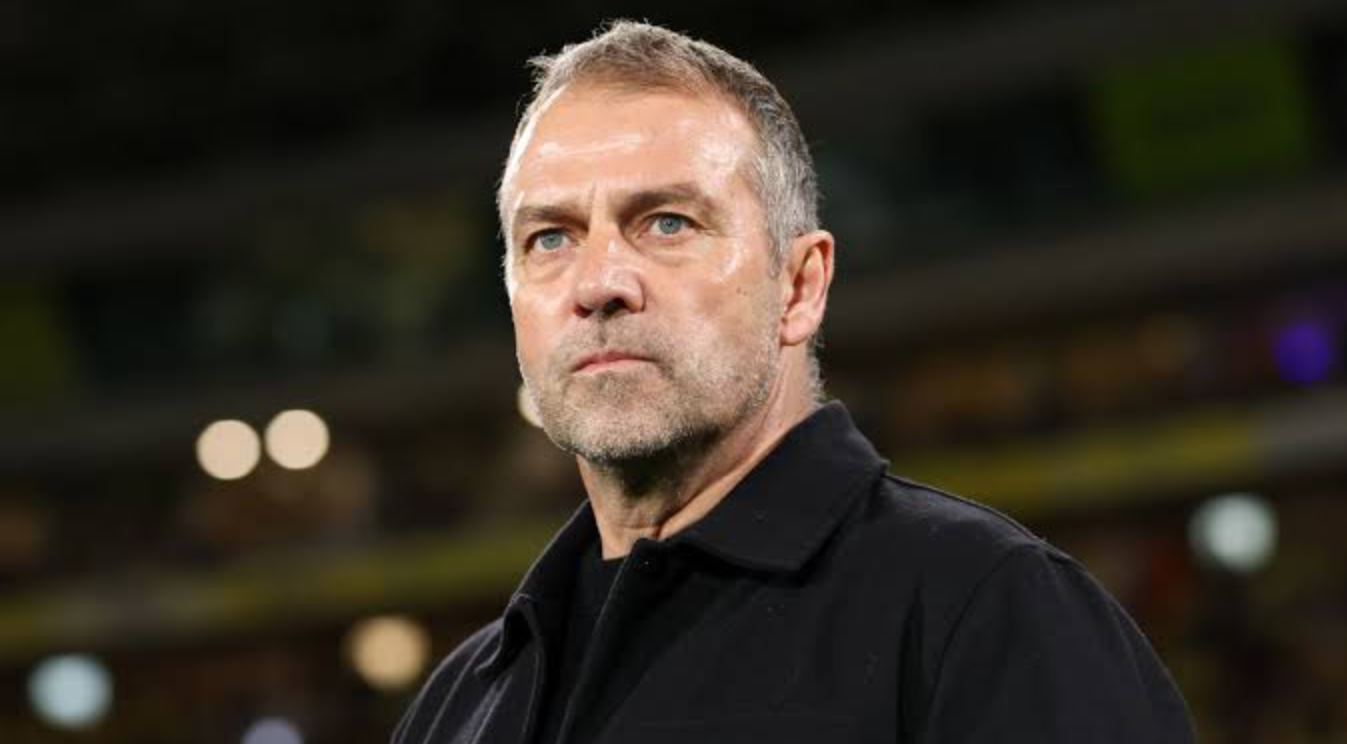
Revealed the reason why Barcelona is no longer just grabbing players in the transfer market
Barcelona apparently no longer wants to be trapped in hasty transfer decisions. In the midst of the hustle and bustle of the player market which is often filled with rumors and public pressure, the Catalan club has chosen a calmer path.
Blaugrana management now believes that one of the keys to the team’s development in the last few seasons is their ability to restrain themselves before making big decisions.
The approach taken by Barcelona looks healthier than the habits of many big clubs which often react to media pressure or supporters’ demands.
By involving Hansi Flick, Deco, Joan Laporta and the sports commission in every important decision, the risk of transfer errors can be reduced.
This strategy does make the process slower, but in the long term it has the potential to create a squad that is more stable and meets the team’s needs.
All Parties Must Agree Before the Transfer is Approved
Barcelona’s sports department applies a fairly strict principle. Every important recruitment must receive approval from all parties involved in decision making.
This means that head coach Hansi Flick, the club’s sports commission, sporting director Deco and president Joan Laporta must be on the same page before a transfer is carried out.
Barcelona does not want to make a move just because an opportunity appears in the market. The club prefers to ensure that the players targeted are in line with the team’s project needs.
For them, complete confidence is much more important than speed in completing the deal.
Barcelona Doesn’t Want to Be Influenced by Rumors
The club is also trying to separate the real work behind the scenes from the speculation that continues to emerge during the transfer window.
In recent weeks, a number of reports regarding meetings and transfer contacts have circulated widely. However, according to internal club sources, some of this never happened.
One example mentioned is the news regarding the meeting between Deco and Moussa Sissoko, Bradley Barcola’s agent. This rumor was widely discussed on social media even though it was said to have no clear basis in fact.
Barcelona considers such noise to be a part that is difficult to avoid in the modern transfer market.
Full Agreement is a Priority
Within the club, there is a belief that this more measured approach is helping Barcelona remain competitive without having to make a major overhaul of the squad.
Even though they failed to achieve maximum results in the Copa del Rey and Champions League after being eliminated by the same opponent, management feels that their distance from success is actually not that far.
Therefore, stability, project continuity and consistent planning are considered the main foundations for the long term.
That doesn’t mean Barcelona can’t move quickly.
Anthony Gordon is said to be an ideal example. The recruitment process was relatively short and carried out quietly, even when a number of other clubs were also targeting him.
However, a different situation happened to Alessandro Bastoni. Discussions continued for months and the response from the players was considered positive. However, Barcelona chose not to force a transfer if full support from the coaching staff had not been obtained.
The same principle also applies to other names who have been linked with the club, such as Bernardo Silva and Marc Cucurella.
Silva has long been on Barcelona’s radar, but was never considered an urgent need. Meanwhile, Cucurella’s case is more complicated because it relates to squad balance and the need to open up space in the team before a transfer can be considered.
Barcelona now prefers to build a squad based on mutual agreement rather than decisions born of momentary pressure.
If all parties are in one voice, the club is ready to move quickly. If not, patience remains the main choice.
PakarPBN
A Private Blog Network (PBN) is a collection of websites that are controlled by a single individual or organization and used primarily to build backlinks to a “money site” in order to influence its ranking in search engines such as Google. The core idea behind a PBN is based on the importance of backlinks in Google’s ranking algorithm. Since Google views backlinks as signals of authority and trust, some website owners attempt to artificially create these signals through a controlled network of sites.
In a typical PBN setup, the owner acquires expired or aged domains that already have existing authority, backlinks, and history. These domains are rebuilt with new content and hosted separately, often using different IP addresses, hosting providers, themes, and ownership details to make them appear unrelated. Within the content published on these sites, links are strategically placed that point to the main website the owner wants to rank higher. By doing this, the owner attempts to pass link equity (also known as “link juice”) from the PBN sites to the target website.
The purpose of a PBN is to give the impression that the target website is naturally earning links from multiple independent sources. If done effectively, this can temporarily improve keyword rankings, increase organic visibility, and drive more traffic from search results.

Related Posts

World Cup Qualification Results 2026: Ghana tripped on Chad in the final minutes of the match!

Marc Guehi remained cheerful in British training even though the transfer to Liverpool failed